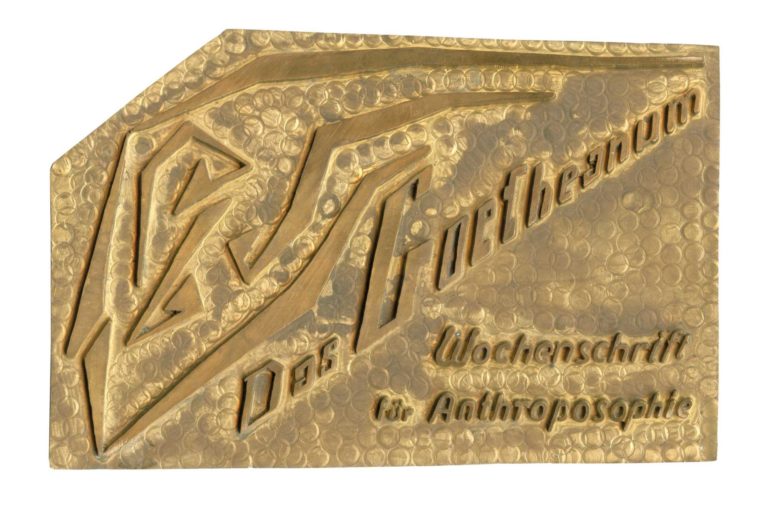
Recounting the turbulent beginning of the Wochenschrift [the Goetheanum Weekly]—the work of an anthroposophical community—and the personalities that brought it into being. Setting Off Under Adverse Circumstances In the early 1920s, with the construction of the Goetheanum and the advent…This article is reserved for subscribers. Sign in with My Goetheanum to...
Marginalia on Rudolf Steiner’s Life and Work: In his early years in Berlin, Rudolf Steiner was closely associated with the labor movement. He gave many lectures in this circle and also spoke about women, whose untapped spiritual and mental capacities…This article is reserved for subscribers. Sign in with My Goetheanum to...
Did anthroposophical doctors follow, profit from, or oppose the medicine under National Socialism and its “New German Medicine” [Neue Deutsche Heilkunde]? How did the anthroposophical medical profession position itself with regard to the guidelines and consequences of Nazi medicine—from the…This article is reserved for subscribers. Sign in with My Goetheanum to...
What connections were there between biodynamic practitioners and Nazi organizations? What were their motivations for making certain decisions during the...







Letzte Kommentare