

On the quality of the sensual as a shared experience of the forces of resurrection in nature.
On Easter morning, we walked from the ferry to the Abbey on Iona (Scotland) to join in the Iona Community’s Easter service. The day before, a violent storm had swept across the islands. The house was without power for hours; the wind whistled through the walls all night; sleep was nearly impossible. Cold, rain, hail, and turbulence dominated the day. And then, Easter morning: bright sunshine, clear air, a vast, luminous sky—it was as if the world had been transformed overnight. Everything looked washed clean. No dust, no heaviness, no gray to be seen. The pink granite on the big neighboring island of Mull glowed across the water; the silvery gleaming gneiss of Iona caught the light; the strait shimmered in turquoise, in light and deep blues. Newly formed white clouds drifted across the sky. The first flowers were blooming, bright and impossible to miss. Everything was filled with a peculiar sense of presence: fresh, clear, alive—as if just brought into being.
Walking to the Abbey, we experienced something that became an image of the mystery of Easter itself. This freshness, this utter newness, does not come to us only on a few blessed spring mornings. It lies, fundamentally, in every genuine sensory perception. If we pay attention not only to the content of what we see—saying, for example: that is a tree, that is a stone, that is the sea—but to the manner of perception, to its inner quality of experience, then something astonishing becomes apparent. Every perception is new. Each one is as fresh as the morning dew. No sensory perception is ever stale, worn out, or lukewarm. Everything we truly encounter through the senses bears the character of the present, of what has just come into being.
Perhaps this offers a gateway to what we celebrate at Easter. Resurrection is not merely a thought, not merely a tenet of faith, but a force that is active in life itself. In spring, it becomes particularly visible: in the buds, brimming with tension; in the first leaves, still folded and crumpled, but already radiant in their color; in everything that emerges, stands upright, becomes new. Nothing appears dull, nothing faded. Everything bears the signature of the beginning. The beginning lives in every immediate perception
However, as soon as we reflect on what we perceive—categorize it, record it, or explain it—we’re one step further. Thinking focuses on something that has already been; it works on what has just detached itself from the stream of perception. Thinking is similar to worries and expectations: they, too, draw us away from the present, either into what has already been or into what is not yet. The powers of resurrection, however, reveal themselves where we are truly present. Perhaps that is why we can say that the mystery of Easter speaks not first to retrospective thinking or to projections of the future, but to alert, open experience—where we open ourselves to the world through our senses; where we linger in the act of seeing; where reality meets us fresh and unspent, we touch upon the power that calls new life into being again and again.
And so that Easter morning walk on Iona became a quiet parable for us: The world cleansed by the storm; the light; the colors; the clear sea; the stones; the sky—everything spoke the same language. Easter was not to be found only in the church, but already on the way there. It lay over the islands, in the radiance of things, in the freshness of the air. And for a moment a realization became palpable: these forces of renewal are not far from us; they flow toward us ceaselessly. In the very wakefulness of our senses, the Resurrection can become present to us.
Translation Laura Liska
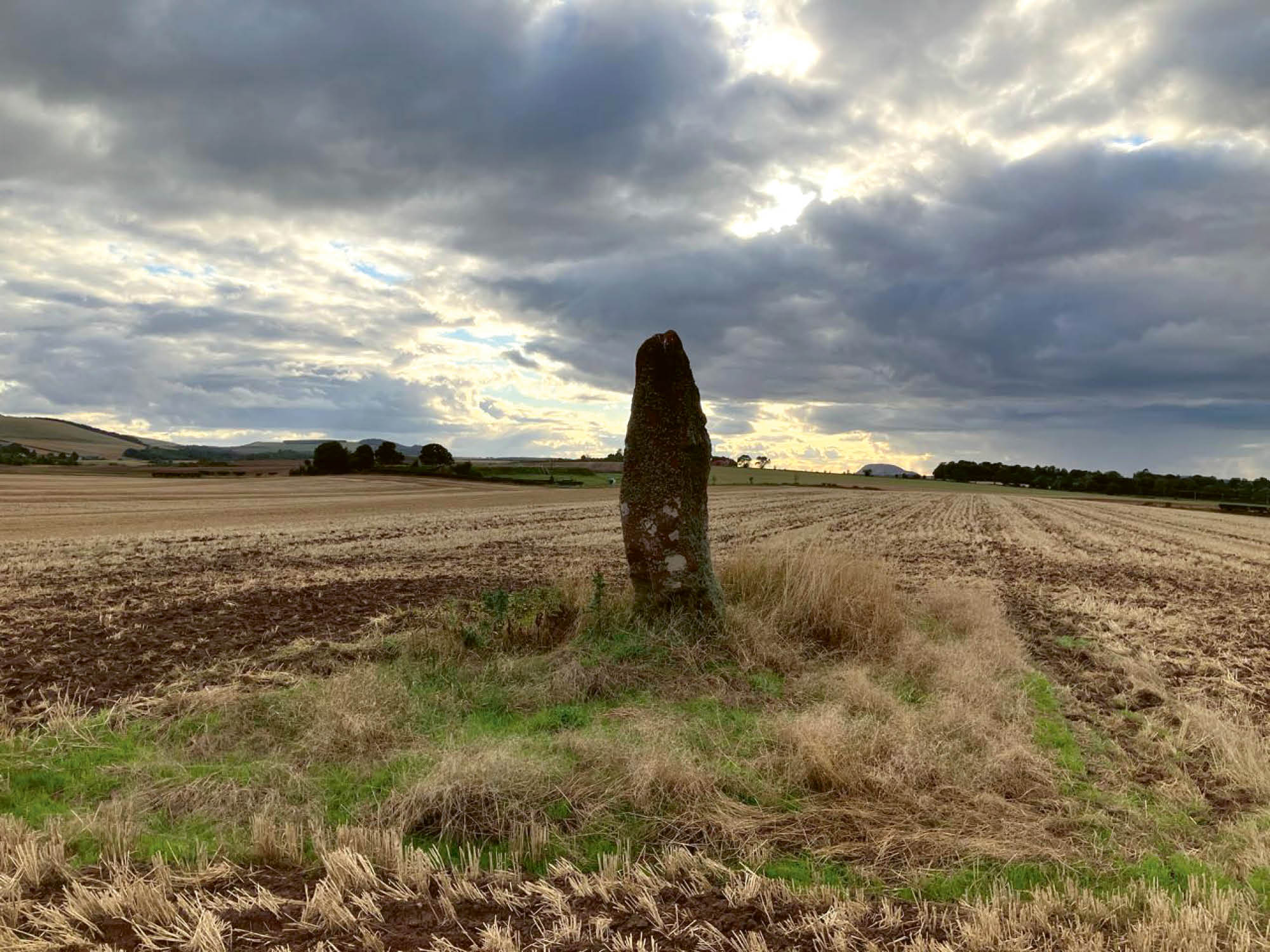
Photo Renatus Derbidge






this is an article of absolute value to those who become addicted to the finite ‘perception’ of each moment of wakefulness, for in that moment the past is continuously renewed to our perception and sensation nothing is more enlivening and rewarding than constantly living in the moment of NOW ..